- April 8, 2026
- Posted by: Aja Jackson
- Category: Newsletter
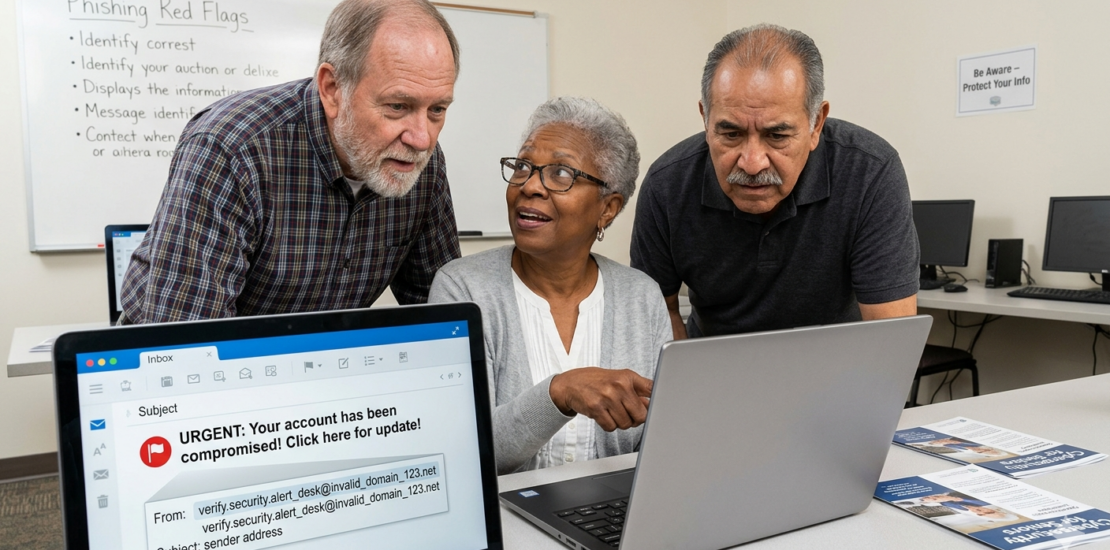
In today’s digital world, protecting your personal and financial information is more important than ever. As a member of the Employees’ Retirement System (ERS), you may regularly share sensitive information such as your Social Security number, banking details, and retirement account information. Unfortunately, scammers and bad actors are increasingly targeting individuals—especially retirees—with attempts to access this information through fraud and deception.
The good news is that there are simple, effective steps you can take to protect yourself. Think of cybersecurity as part of your overall financial wellness. By staying alert and informed, you can reduce your risk and keep your information secure.
The ABCs of Prevention
A: Always Be Aware
Scammers often rely on urgency and fear to get you to act quickly. You may receive a phone call, email, or text message that appears to come from a trusted source—such as a government agency, financial institution, or even ERS.
Be cautious if someone:
- Asks for personal or financial information unexpectedly
- Pressures you to act immediately
- Requests payment or sensitive details over the phone, email, or text
If something doesn’t feel right, take a step back. It’s always okay to pause and verify before responding.
B: Be Careful with Your Information
Your personal information is valuable. Treat it with the same care you would give to cash or important documents.
- Never share your Social Security number, banking details, or passwords with someone you do not know or trust
- Avoid clicking on links or downloading attachments from unfamiliar emails or messages
- Use strong, unique passwords for your accounts and avoid reusing them across multiple sites
ERS will never ask you to provide sensitive information through unsolicited emails or text messages. When in doubt, contact us directly using verified contact information.
C: Confirm Before You Act
One of the best ways to protect yourself is to verify information before taking action. If you receive a suspicious message:
- Do not click links or respond directly
- Look up the official phone number or website for the organization and contact them yourself
- Ask a trusted friend, family member, or advisor for a second opinion
Taking a few extra minutes to confirm can prevent costly mistakes.
Common Scams to Watch For
Scammers are constantly evolving their tactics, but some common schemes include:
- Phishing Emails or Texts: Messages that appear legitimate but are designed to trick you into clicking a link or sharing personal information
- Impersonation Scams: Calls or messages from someone pretending to be from ERS, Social Security, or another trusted organization
- Account Alerts or “Urgent” Requests: Messages claiming there is a problem with your account that requires immediate action
Remember: legitimate organizations will not pressure you to act immediately or ask for sensitive information in unsecured ways.
Simple Steps You Can Take Today
Protecting yourself doesn’t have to be complicated. Start with these simple steps:
- Review your account statements regularly for any unfamiliar activity
- Keep your contact information up to date with ERS so we can reach you if needed
- Shred documents that contain personal or financial information before discarding them
- Enable security features, such as multi-factor authentication, when available
We’re Here to Help
At ERS, your security is a priority. We are committed to protecting your information and providing resources to help you stay informed. If you ever receive a suspicious communication that appears to be from ERS—or if you are unsure about a request—please contact us directly.
Staying informed is your first line of defense. By following the ABCs of prevention and remaining vigilant, you can protect yourself and your retirement with confidence.